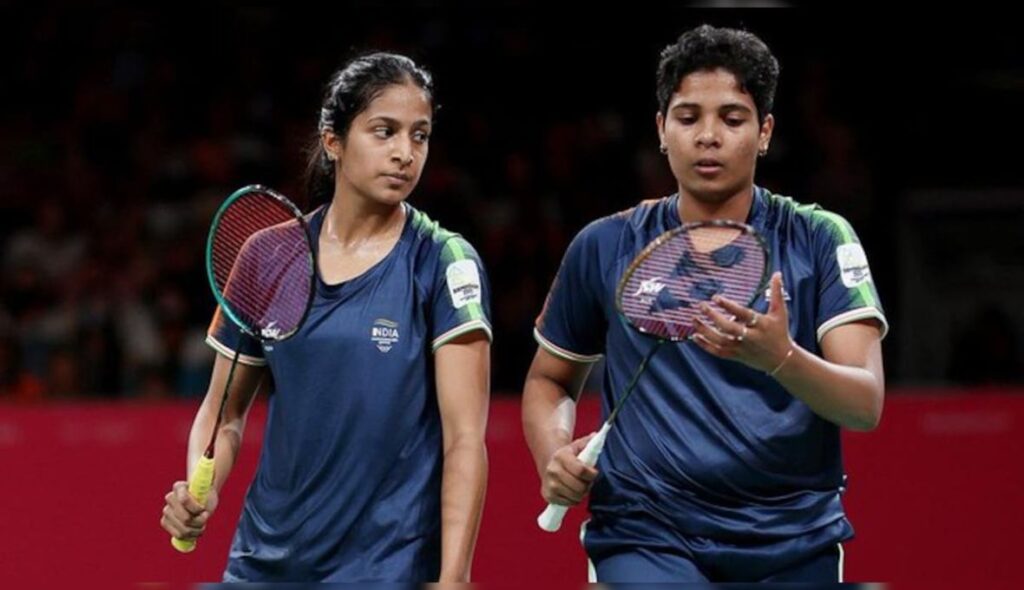

India’s campaign at the Badminton Asia Team Championships ended on a disappointing note as the women’s team failed to defend their historic title, while the men’s team bowed out after a tough quarterfinal defeat against South Korea. The tournament, which showcases Asia’s strongest badminton nations, highlighted both India’s potential and the challenges that come with competing at the highest level.
The absence of star shuttler PV Sindhu, due to a minor injury concern, proved significant for the women’s team. Having secured a historic gold medal in the previous edition in 2024, expectations were high for another strong showing. However, injuries, tough competition, and match pressure combined to make title defense difficult.
Despite the setbacks, the tournament provided valuable exposure for emerging players and offered insights into the future direction of Indian badminton.
India Women’s Title Defense Challenge
Defending a championship title is often more difficult than winning it. Opponents analyze champions closely, strategize specifically against them, and bring extra motivation to dethrone them.
India’s women’s team entered the tournament with confidence but faced immediate challenges.
Key Factors Affecting Title Defense:
- Absence of experienced leader PV Sindhu
- Strong competition from Asian badminton powerhouses
- Pressure of defending champions
- Emerging players still gaining international experience
These factors influenced India’s overall performance.
Impact Of PV Sindhu’s Absence
PV Sindhu has long been a pillar of Indian badminton. Her experience, consistency, and ability to perform under pressure often inspire teammates and stabilize team performance.
What Sindhu Brings To The Team:
- Big-match experience
- Leadership on and off court
- Tactical maturity
- Confidence boost for younger players
Her absence due to a niggle meant younger players had to shoulder additional responsibility.
Emerging Talent In Women’s Team
While the absence of a senior player posed challenges, it also allowed emerging players to gain exposure.
Benefits Of Young Player Participation:
- Valuable international match experience
- Confidence building for future tournaments
- Identification of upcoming talent
- Strengthening squad depth
Such exposure is vital for long-term development.
Strong Asian Competition In Badminton
Asia dominates global badminton, with countries like China, Korea, Japan, Indonesia, Malaysia, and Thailand consistently producing top players.
Competing against these nations requires:
- High fitness standards
- Tactical precision
- Mental resilience
- Continuous skill improvement
India continues to progress but faces strong competition.
Men’s Team Quarterfinal Exit Against Korea
India’s men’s team also faced a tough challenge, exiting the tournament after a quarterfinal loss to Korea. The match was closely contested, reflecting the competitive nature of Asian badminton.
Key Aspects Of The Match:
- Intense rallies and tactical battles
- Strong Korean defensive play
- High-pressure match situations
- Competitive individual performances
Despite the defeat, the men’s team showed promising potential.
Growth Of Indian Men’s Badminton
Indian men’s badminton has improved significantly over the past decade. Players have achieved success in international tournaments and gained valuable experience.
Key strengths include:
- Increasing depth in singles and doubles
- Improved fitness levels
- Professional coaching support
- International exposure
These developments support future competitiveness.
Importance Of Team Championships
Team championships differ from individual tournaments. Players compete not only for personal success but also for national pride.
Benefits include:
- Team bonding and unity
- Shared responsibility
- Strategic team selection
- Exposure to pressure situations
Such events strengthen overall sporting culture.
Role Of Coaching And Support Staff
Modern badminton success depends heavily on coaching support.
Key roles include:
- Technical skill development
- Tactical match preparation
- Mental conditioning
- Injury management
Strong support systems enhance performance.
Fitness And Injury Management
Injury prevention and recovery are crucial in high-level badminton due to intense physical demands.
Essential elements include:
- Sports science integration
- Physiotherapy support
- Training load management
- Recovery protocols
Sindhu’s absence highlights the importance of fitness management.
India’s Historic 2024 Gold – A Milestone
Winning the gold medal in 2024 marked a historic achievement for Indian women’s badminton. That victory boosted confidence and elevated expectations for future tournaments.
Such milestones:
- Inspire younger players
- Enhance global recognition
- Encourage grassroots participation
The legacy continues despite current setbacks.
Fan Expectations And Support
Indian badminton fans remain passionate and supportive. Major tournaments attract significant attention and engagement.
Fan support contributes to:
- Player motivation
- Increased media coverage
- Sponsorship opportunities
- Growth of the sport nationally
Positive fan culture benefits development.
Media Coverage And Analysis
Sports media extensively analyze major badminton tournaments. Coverage helps promote the sport and educate audiences.
Common coverage themes include:
- Player performance analysis
- Tactical insights
- Tournament highlights
- Future prospects
Media visibility supports sport growth.
Future Prospects For Indian Women’s Team
Despite not defending the title, India’s women’s team has strong future prospects.
Focus areas include:
- Injury recovery and fitness
- Talent development
- Tactical improvement
- International exposure
Continuous improvement remains key.
Importance Of Grassroots Development
Grassroots programs ensure a steady pipeline of talent.
Key initiatives include:
- School-level badminton promotion
- Regional academies
- Talent scouting programs
- Professional training facilities
Such initiatives sustain long-term success.
Global Badminton Competition Intensifying
International badminton competition continues to grow stronger.
Factors include:
- Improved training methods worldwide
- Increased professionalization
- Rising talent from emerging nations
Continuous adaptation is essential.
Lessons From The Tournament
India’s campaign offers several lessons:
- Importance of squad depth
- Need for injury management
- Value of mental resilience
- Continuous tactical evolution
Learning from setbacks is crucial.
Psychological Strength In Team Events
Team events demand strong mental focus. Players must handle both individual pressure and team expectations.
Psychological preparation includes:
- Confidence building
- Stress management
- Team communication
Such preparation improves performance.
Support From Sports Authorities
National sports bodies play an important role in athlete development.
Support areas include:
- Funding and infrastructure
- Coaching resources
- International exposure opportunities
Such support strengthens competitiveness.
Looking Ahead To Upcoming Tournaments
India’s focus now shifts to upcoming international events. Preparation will involve:
- Performance analysis
- Fitness improvement
- Tactical planning
Future tournaments provide opportunities for redemption.
Conclusion – Setback But Strong Future Ahead
India’s performance at the Badminton Asia Team Championships reflects both progress and challenges. The women’s team’s inability to defend their title and the men’s quarterfinal exit highlight the competitive nature of Asian badminton.
However, the experience gained, emerging talent exposure, and continued development efforts suggest a promising future. With strong grassroots programs, experienced players returning from injury, and improving coaching infrastructure, Indian badminton remains on an upward trajectory.
While this tournament may not have delivered the desired results, it provides valuable lessons that will shape future success. Indian badminton continues to grow, and fans can remain optimistic about upcoming achievements on the international stage.