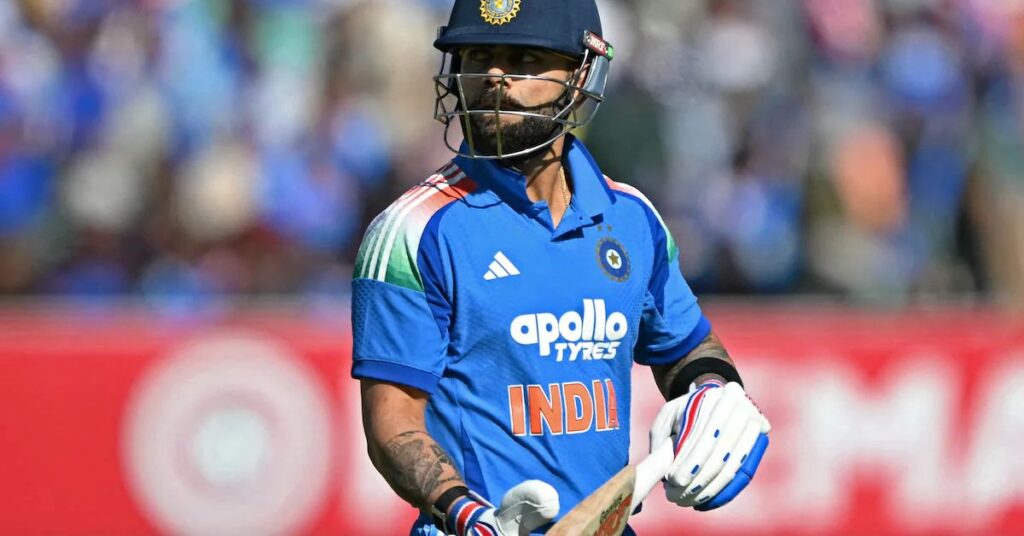

The International Cricket Council (ICC) found itself at the centre of a major social media storm after fans spotted a significant error in a post related to Virat Kohli’s No.1 ranking. What began as a routine rankings update quickly escalated into widespread online debate, forcing the ICC to delete the original post and issue a corrected version.
Virat Kohli, one of the most scrutinised and celebrated cricketers of the modern era, commands an enormous global fanbase. Any official communication involving his name, especially regarding rankings, is bound to attract immediate attention. In this case, that attention proved decisive, as fans rapidly identified inaccuracies and demanded clarification.
This episode once again highlighted the power of fan engagement in the digital age, the importance of accuracy in official sporting communication, and the enduring spotlight on Virat Kohli’s career and legacy.
This article takes a deep dive into what happened, why the correction mattered, how fans reacted, and what this incident says about cricket governance and modern sports communication.
What Triggered the Controversy?
The controversy began when the ICC published a post on its official social media channels celebrating an update to the men’s rankings. The post referenced Virat Kohli’s position as the No.1 batter, but the details did not align with the official rankings data available on the ICC website.
Within minutes, fans and analysts noticed discrepancies related to:
- The format of the ranking (ODI, Test, or T20I)
- The timing of the ranking update
- Comparison with other top-ranked batters
Screenshots of the post began circulating rapidly, with fans questioning the accuracy of the information and tagging the ICC in large numbers.
Fans Play Watchdog Role on Social Media
One of the most striking aspects of this incident was the speed and scale of fan response.
Immediate Reaction
Cricket fans, particularly those closely following rankings, were quick to point out that the post did not match the latest official standings. Social media platforms were flooded with comments asking the ICC to recheck its data.
Hashtags and replies referencing the error began trending within the cricket community, putting pressure on the governing body to respond swiftly.
The Power of Virat Kohli’s Fanbase
Virat Kohli arguably has one of the most passionate fanbases in world sport. His supporters track every statistic, milestone, and ranking update with unmatched intensity.
In this case, that passion translated into instant fact-checking. Fans cross-referenced the post with:
- ICC rankings tables
- Recent match performances
- Previous ranking updates
The collective scrutiny left little room for the error to go unnoticed.
ICC Deletes the Post and Issues a Correction
Faced with mounting criticism and clear evidence of an error, the ICC took corrective action.
Post Deleted
The original post was deleted across platforms, signalling acknowledgment of the mistake. While the ICC did not immediately issue a detailed explanation, the removal itself confirmed that the information was inaccurate.
Corrected Post Published
Shortly after, the ICC shared a corrected post, clarifying Virat Kohli’s actual ranking position based on the official data. The revised version aligned with the latest rankings update and resolved the confusion caused earlier.
This swift response helped contain the situation, although the incident continued to be widely discussed among fans and media outlets.
Why Rankings Accuracy Matters So Much
To casual observers, a rankings error might seem minor. However, in international cricket, rankings carry significant weight.
Rankings as a Measure of Legacy
For elite players like Virat Kohli, rankings are closely tied to legacy. Being No.1 is not just a statistic—it represents dominance, consistency, and excellence over time.
An incorrect post can:
- Misrepresent a player’s achievements
- Create confusion among fans
- Spark unnecessary debates
This is why accuracy is non-negotiable.
Official Credibility at Stake
The ICC is the global governing body of cricket. Its communications are considered authoritative. Any error, especially involving high-profile players, risks undermining trust.
In an era where misinformation spreads rapidly, official bodies are expected to maintain the highest standards of accuracy.
Virat Kohli and the No.1 Ranking: A Storied History
Virat Kohli’s association with the No.1 ranking is well-documented. Over the years, he has topped rankings across formats, setting benchmarks for consistency and performance.
Dominance Across Eras
Kohli has achieved the No.1 ranking during different phases of his career, adapting his game as cricket evolved. His ability to remain competitive against changing bowling attacks and formats has been a hallmark of his success.
Ranking Battles and Rivalries
Throughout his career, Kohli has been part of intense ranking battles with other elite batters. These rivalries have often gone down to narrow margins, making rankings updates particularly sensitive and closely watched.
This context explains why even a small error involving his ranking drew massive attention.
How Social Media Has Changed Sports Accountability
This incident underscores a broader trend in modern sports.
Fans as Real-Time Auditors
Unlike earlier eras, fans today have instant access to data, statistics, and historical records. They actively verify information shared by official bodies and call out inconsistencies in real time.
This has effectively turned fans into informal auditors of sports communication.
Speed vs Accuracy Dilemma
Sports organisations now operate in a fast-paced digital environment where speed is prioritised. However, this incident shows that speed without accuracy can backfire.
The ICC’s experience serves as a reminder that verification must remain a priority, even under pressure to post quickly.
Media Reaction and Public Discourse
Cricket media outlets quickly picked up on the controversy, analysing both the error and the ICC’s response.
Focus on Transparency
Many commentators acknowledged the ICC’s decision to correct the mistake but emphasised the need for greater transparency in explaining what went wrong.
Mixed Fan Reactions
While some fans appreciated the swift correction, others criticised the ICC for allowing such an error to occur in the first place. The debate highlighted differing expectations of accountability from governing bodies.
What This Means for ICC’s Digital Strategy
The episode could influence how the ICC handles digital communication going forward.
Stricter Verification Processes
The ICC may implement additional checks before publishing rankings-related posts, especially those involving marquee players.
Clearer Communication
Providing context—such as specifying the format or time frame of rankings—could help avoid confusion in future posts.
The Unrelenting Spotlight on Virat Kohli
Virat Kohli’s career has unfolded under constant scrutiny, and this incident is another example of how closely his journey is followed.
Every Detail Matters
From centuries to rankings to social media posts, every aspect of Kohli’s career is analysed. This level of attention is both a testament to his stature and a challenge for organisations communicating about him.
Legacy Beyond Numbers
While rankings are important, Kohli’s legacy ultimately transcends statistics. His impact on Indian cricket, fitness culture, and global fan engagement remains profound regardless of temporary ranking fluctuations.
Lessons for Sports Governing Bodies
The ICC rankings controversy offers valuable lessons.
- Accuracy must always outweigh speed
- High-profile players require extra care in communication
- Fans are deeply informed and highly engaged
- Swift corrections help limit damage but don’t erase scrutiny
In the digital age, even small errors can become major talking points.
Could This Have Been Avoided?
With proper internal verification, the incident was likely preventable. A simple cross-check against official rankings tables could have ensured accuracy.
This highlights the importance of robust editorial processes, even for seemingly routine posts.
Fan Trust and Institutional Responsibility
Trust between fans and governing bodies is built over time but can be weakened quickly.
By correcting the mistake, the ICC took a step toward maintaining that trust. However, consistent accuracy is essential to prevent future incidents.
Broader Context: Rankings Debates in Cricket
Rankings have always sparked debate in cricket.
- Different formats reward different skills
- Points systems are complex
- Small performance changes can cause ranking shifts
This complexity makes clear communication even more critical.
What Happens Next?
With the corrected post now live, attention will return to on-field performances. Rankings will continue to evolve as players compete in upcoming series.
For the ICC, the focus will be on ensuring smoother communication. For fans, vigilance remains part of the engagement.
Conclusion: A Small Error With Big Lessons
The incident where the ICC deleted and corrected a post on Virat Kohli’s No.1 ranking after fans pointed out a massive error serves as a powerful reminder of modern sports dynamics.
In an age of instant information and passionate fan engagement, accuracy is paramount. The swift reaction from fans and the ICC’s corrective action together illustrate a new balance of accountability between governing bodies and audiences.
While the episode briefly shifted focus away from the field, it ultimately reinforced two enduring truths:
Virat Kohli remains one of the most closely followed athletes in the world, and cricket fans are among the most informed and engaged communities in global sport.
As cricket continues to evolve in the digital era, such moments will shape how institutions communicate—and how fans participate—in the game they love.